

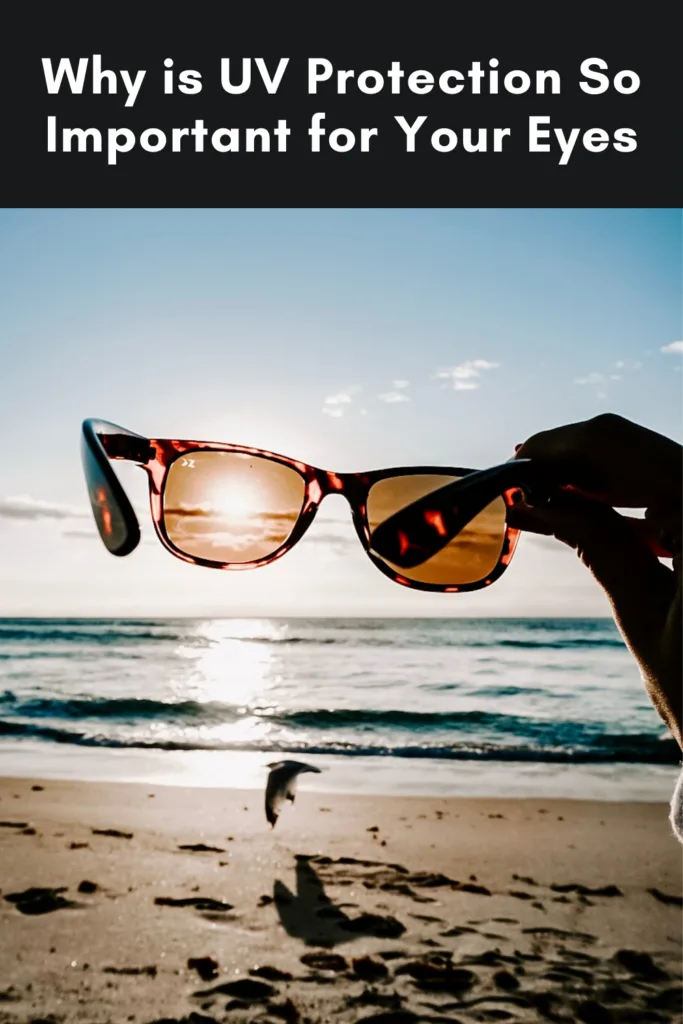
Whereas the eyes require light to process images, extreme or prolonged exposure to the sun’s UV rays is harmful. The sun’s invisible UV rays are responsible for the progression of cataracts, a condition that turns the eye lens cloudy.
The same UV rays also cause common skin cancers especially affecting the area around the eyes, leading to serious complications. To protect this vital sensory organ, it is recommended that you use appropriate eyewear against excessive exposure when outdoors. Here are some serious and likely conditions that you must protect against to maintain the health of your eyes.
Photokeratitis
Just as the skin can suffer from sunburn, so can the eyes if exposed to ultraviolet (UV) rays. The thin surface layer of the cornea and the conjunctiva cell layer covering the white parts are especially vulnerable to UV radiation. This cornea sunburn is called photokeratitis and may be caused by artificial UV lights or snow-reflected sun rays, causing temporary blindness.
The problem with photokeratitis is that it goes unnoticed until the damage has occurred. This silent manifestation is the reason you should use preventive protection any time you step outdoors or work with tanning lamps. You know you have photokeratitis when you experience sensitivity to light, tearing, twitching, blurriness, eye swelling, headaches, and seeing halos.
Treatment of photokeratitis focus on symptom relief as the condition usually goes away after some time. However, the best medicine is prevention and protecting your eyes with 24 hours glasses from UV exposure. Sunglasses that can block 99% of UV rays, helmets, or snow goggles are recommended.
Sunken eyes and melanoma
Though sunken eyes and melanoma conditions are caused by multiple other conditions, exposure to ultraviolet (UV) rays is one of them. Both conditions are a complication in the cells that produce melanin, and one is visible in the darkened skin around the eyes. Melanoma, on the other hand, occurs deep inside the eye and is difficult to diagnose visually.
Symptoms of the sunken eye are obvious, but melanoma may go unnoticed for a long time. Loss of peripheral vision, blurry vision in one eye, a dark spot on the iris, or a change in the pupil size, is symptomatic of melanoma. You will need an eye exam if you experience these symptoms to determine the presence of melanoma and its spread.
Treatment of eye melanomas is usually a painful experience, as is normal with cancer management. To avoid this and reduce the risk of developing melanoma, protect your eyes from exposure to harmful ultraviolet rays. Wear sunglasses when out in the sun and protective goggles when working on tanning beds, and use sunscreens to reduce the occurrence of the sunken eye symptoms
Pterygium and pinguecula
Pterygium and pinguecula are caused by exposure to ultraviolet (UV) rays and may impair vision. The pterygium is a wedge-shaped growth on the conjunctiva extending to the outer layer – the cornea. This raised growth can cause redness, irritation, or a sensation of grit in the eye and may lead to low or distorted vision. The pinguecula growth also affects the conjunctiva, causing dryness and inflammation.
Your best protection against these conditions is using the right eyewear when out in sunlight or any UV source. Your eye’s surface, especially the cornea and conjunctiva, is vulnerable to UV rays and can suffer irreversible damage. Your retina is also sensitive to harsh lights and needs protection using UV-grade sunglasses for good eye health.
Keep your eyes well lubricated and avoid exposure to strong winds, dust, and pollen in the air. Choose preservative-free artificial tear formulations that are gentle to your conjunctiva if you need a lubricant. Keep your eyesight in good health by preventive measures such as UV protection sunglasses to avoid painful and costly surgeries.
Macular degeneration
According to eye specialists, UV light damages most ocular structures and contributes to many of the common eye problems. The occurrence of cataracts, macular degeneration, and progressive corneal damage is a consequence of prolonged UV exposure. Ultraviolet rays are responsible for the attrition of the eyelid skin and the areas around the eye, leading to cancers.
Sunlight and UV exposure may cause cataracts – a condition that impairs vision and its damage irreversible. The same UV radiation causes oxidative stress within the eye leading to age-related macular degeneration (AMD). The cornea and conjunctiva soak in 99% of the UV radiation hitting the eye, and its damage predisposes you to cancerous growths.
Protect your eye from harsh sunlight and ultraviolet (UV) radiation to prolong your eyesight. Use good-grade sunglasses that can block 99% of UV radiation, and apply sunscreen to protect your skin from exposure. Polarized sunglasses are also recommended against harsh glares, especially for water and snow activities that have high reflective properties. Wear a wide-brimmed hat when out in the sun but stay in the shade if you can.