
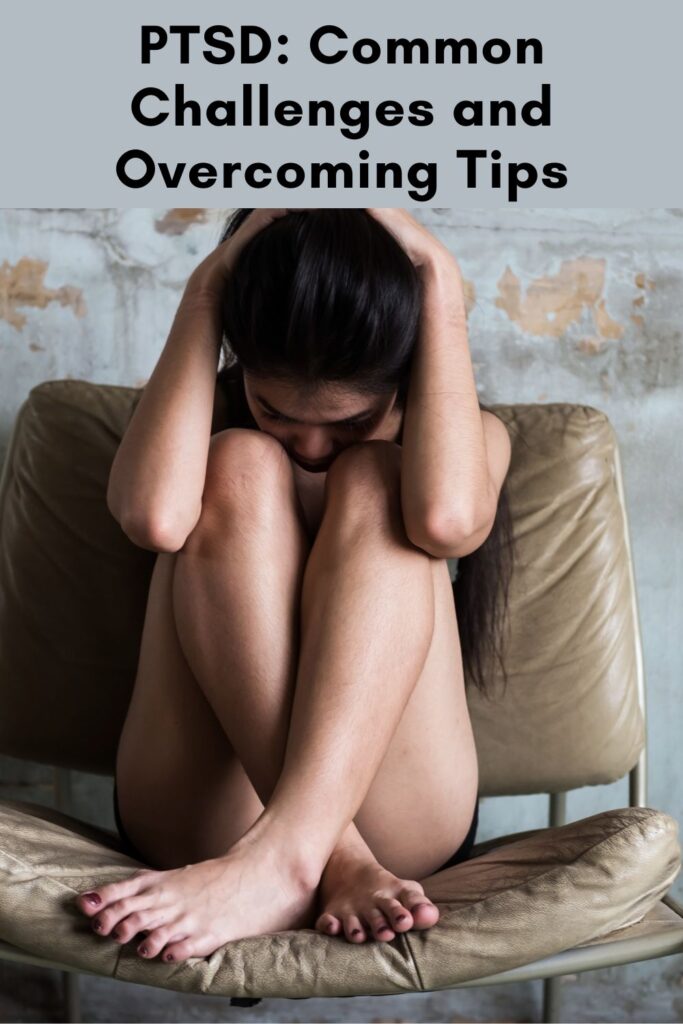
Everybody feels sad and upset after any event that may have left them questioning their safety. However, if the sadness or the upset feeling does not fade and goes away with time, it might mean that the person is suffering from PTSD.
It is a serious mental health condition that affects individuals who have experienced or witnessed traumatic events. It significantly impacts a person’s ability to live everyday life. Unfortunately, approximately 8% of the population will experience PTSD at some point.
Living with PTSD comes with challenges. It can make it difficult to focus on daily tasks or maintain healthy relationships. They can isolate individuals from their loved ones and hinder their personal growth.
However, the good news is that there are various ways to overcome these challenges and regain control over one’s life. So, if you or someone you know is suffering from PTSD, read this guide. It discusses the common challenges and offers practical tips to overcome them.
Common PTSD Challenges
- Intrusive memories and flashbacks
They are distressing symptoms of PTSD that involve the involuntary re-experiencing of traumatic events as if they are happening in the present moment. These memories often interfere with a person’s thoughts, emotions, and daily activities, causing significant trouble.
This reliving of the trauma can be overwhelming, making it difficult to concentrate, sleep, or engage in normal routines. It can lead to heightened anxiety and a constant sense of unease.
Furthermore, these negatively impact personal relationships. People with PTSD may withdraw from loved ones to avoid triggers or may become emotionally detached.
- Avoidance and numbing
Avoidance and numbing are common challenges experienced by individuals with Post-Traumatic Stress Disorder (PTSD). Such patients often avoid situations or places that may lead to recurring triggers of the event or may remind them of the trauma. Additionally, they may numb their emotions as a way to cope with the overwhelming feelings associated with the trauma.
Avoidance further limits growth opportunities and prevents individuals from engaging in activities they once enjoyed. Emotional numbing makes it challenging to form deep connections or experience a wide range of emotions. It is important to overcome avoidance and numbing to regain a sense of fulfillment.
- Hyperarousal and hypervigilance
Have You ever experienced a constant state of high alertness and tension, as if danger is always present? If yes, it is Hyperarousal that leaves you feeling easily startled, having difficulty concentrating, and experiencing sleep disturbances like insomnia.
Hypervigilance, on the other hand, is when you are constantly scanning the environment for potential threats. The body’s alarm system is always on, making relaxing and enjoying everyday activities hard. It is often exhausting and overwhelming, draining physical and emotional energy.
Unfortunately, they can persist for extended periods, impacting daily living and overall well-being. Therefore, it is crucial to learn coping strategies for this. It’s a journey that requires patience, support, and understanding.
Strategies for Overcoming PTSD Challenges
- Try Cannabis for Relaxation
Looking for a natural way to relax? Have you considered trying Cannabis?
Many individuals have reported the benefits of Cannabis in relieving PTSD symptoms. Cannabidiol (CBD) is the main compound in Cannabis that has shown promise in reducing stress and anxiety. It interacts with the body’s endocannabinoid system (ECS), which regulates various physiological processes.
It helps to promote balance and homeostasis in the body, potentially reducing symptoms of stress and anxiety. Therefore, according to the Ghouse review, it is essential to use cannabis strains that are high in CBD content. While it has shown promising results, it’s necessary to note that everyone’s body chemistry is unique, and effects may vary.
Therefore, it’s always a good idea to consult a doctor before incorporating Cannabis into your daily routine.
- Seeking professional help
Know that it is not a sign of weakness but rather a courageous act of self-care.
It is more than necessary to seek professional help to overcome the challenges of PTSD. The experts have the right knowledge to help you with your condition according to your needs.
There is no one solution that fits all steps here; they understand your situation and offer help as required. It can come in the form of therapy or counseling. They provide a safe and supportive environment to explore and process your traumatic experiences.
Therapists use various approaches, such as cognitive-behavioral therapy (CBT), to help you develop coping mechanisms, manage symptoms, and work through your trauma. Additionally, medication options may be available to alleviate specific symptoms of PTSD.
- Using Positive Coping Mechanisms
Using positive coping mechanisms is significantly helpful in overcoming common challenges of PTSD. They help manage stress and regulate emotions. These can include activities such as journaling, engaging in art therapy, practicing mindfulness or meditation, and participating in hobbies or creative outlets.
These allow individuals to express their emotions, process trauma, and promote well-being. Incorporating such activities into your daily routine helps cultivate resilience, enhance emotional well-being, and regain control over your experiences.
- Building a support system
While many PTSD patients may find it hard to connect with people, however, building a support system is a great help for them. It involves understanding friends, family members, support groups, or online communities.
They provide a network of emotional support, empathy, and validation. When facing the challenges of PTSD, having someone to talk to or lean on can make a significant difference. Supportive individuals can offer a listening ear, offer guidance, and provide a sense of belonging.
They can also help you connect with resources, find professional help, and navigate through difficult times. Building a support system ensures that you do not have to face your struggles alone and have a network to rely on for encouragement and understanding.
Bottom Line
Living with Post-Traumatic Stress Disorder brings its own set of challenges, but there is hope and support available. It is natural to feel that the recovery road is daunting. However, remember that you are not alone. You are stronger than you realize, and brighter days are ahead.
We hope the above information helps you overcome those challenges and improve your life. Together, we can work towards healing and resilience. You deserve a life filled with peace and joy. So, don’t hesitate to reach out, explore resources, and embark on this journey toward reclaiming your well-being.

Leave a Reply