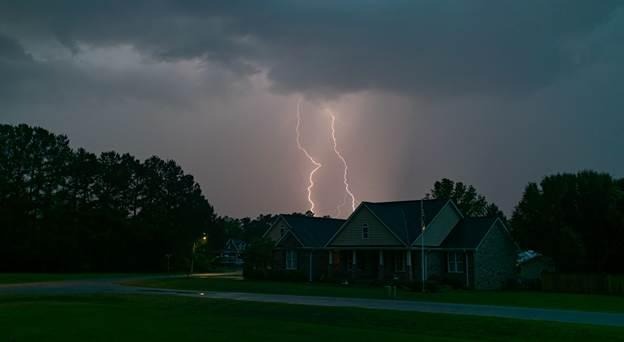
Everyone has driven past a house that looked perfectly fine on paper but somehow felt neglected the second it came into view. The lawn was trimmed, the address was easy to read, yet something about the place made it harder to picture living there. Buyers often make those judgments faster than they realize.
Exterior impressions form quickly, and they tend to stick. In places like Florida, where the weather puts constant pressure on homes, that first impression becomes even more important. Strong sun, heavy rain, humidity, and seasonal storms can all leave visible clues about how well a property has been maintained, and buyers notice those clues because they often connect them with future costs and long-term value.
Windows Shape First Impressions More Than Many Homeowners Realize
Most buyers do not start by thinking about floor plans or storage space. Before they even step out of the car, they are already taking in the exterior, and windows tend to stand out more than people expect. They cover a large portion of a home’s visible surface and can quickly influence whether a property feels modern, dated, cared for, or neglected.
Windows often work as visual shortcuts. Clean frames, consistent styles, and well-maintained glass can make a home look updated, even before buyers see the interior. On the other hand, damaged seals, worn frames, visible condensation, or outdated designs may create questions about maintenance and future costs. Buyers may not know exactly what they are looking at, but they usually notice when something feels off.
That is one reason windows frequently come up in real estate conversations. Buyers increasingly pay attention to features that affect energy efficiency, protection, long-term upkeep, and overall property value. For homes in Florida impact windows & doors can make a significant difference. Many buyers view windows as both a design element and a practical investment. Rather than seeing them as a standalone upgrade, they are often considered part of the home’s overall condition and appeal.
Buyers Look for Signs of Maintenance Before They Look for Upgrades
Many homeowners assume buyers are searching for luxury features first. In reality, visible maintenance often carries more weight than expensive upgrades. A property can have high-end finishes inside, but if gutters appear damaged, exterior surfaces look worn, or sections of the roof seem neglected, concerns begin to form. Buyers naturally start estimating future repairs. Sometimes they overestimate them.
This reaction is understandable. Purchasing a home already involves uncertainty. Visible maintenance issues create additional questions that many buyers would rather avoid. The opposite can happen as well. A home with fairly ordinary features may attract stronger interest when the exterior appears consistently cared for. Buyers often interpret good maintenance as evidence that other parts of the property have received similar attention.
Roofing Draws More Attention Than Sellers Realize
The roof is not always the first thing buyers consciously notice, but it often influences their overall impression. People may not stand outside discussing roof materials or installation methods, yet uneven lines, missing shingles, staining, or visible wear can affect how the property feels. Buyers are surprisingly good at spotting signs that something might need attention, even when they cannot identify the exact issue.
Part of this comes from experience. News stories, insurance discussions, and conversations about rising repair costs have made homeowners more aware of major structural components than they were years ago. A roof that appears clean and well-maintained often creates confidence. Not excitement. Confidence. Those are different things, and confidence tends to influence purchasing decisions more than excitement does.
The Front Door Sets the Tone
People tend to focus heavily on curb appeal, but the front door deserves separate attention because it acts almost like a transition point between public and private space. A worn or outdated entrance can create hesitation. A clean, functional entrance tends to create comfort. Neither reaction is dramatic. Most buyers would struggle to explain it in detail. Still, it happens.
The condition of the door, surrounding trim, lighting fixtures, and hardware often shapes expectations before visitors ever step inside. When these elements feel cohesive and maintained, buyers generally approach the interior with a more positive mindset. Small details have a habit of influencing larger impressions.
Landscaping Influences Perceived Value
Landscaping is one of the few exterior features that can change the appearance of an entire property without requiring major construction. Buyers rarely expect elaborate gardens or expensive outdoor designs. What they respond to is care. Grass that appears maintained, shrubs that have not taken over walkways, and outdoor spaces that look manageable all contribute to a stronger impression.
Interestingly, excessive landscaping can sometimes create concerns of its own. Some buyers immediately start thinking about maintenance requirements. Simple, tidy, and functional often performs better than complicated. This may explain why many successful exterior improvements are relatively modest. They reduce distractions instead of trying to create spectacle.
Exterior Consistency Builds Trust
One issue that buyers notice quickly is inconsistency. A new front door combined with heavily worn siding. Updated windows next to neglected trim. Fresh landscaping surrounding visible structural wear. These mismatched signals can create uncertainty.
People generally trust homes that appear consistent. Consistency suggests planning and ongoing maintenance rather than isolated cosmetic improvements. That perception matters because homebuyers are rarely evaluating individual features in isolation. They are forming an overall impression from dozens of small observations. Many of those observations happen within the first few minutes.
The Emotional Side of Exterior Design
Real estate decisions are often presented as financial decisions, but emotion plays a larger role than many buyers admit. The exterior of a home creates the first emotional reaction. It influences whether a property feels welcoming, cared for, secure, or overlooked. Buyers may later justify those feelings with practical reasoning, but the initial reaction often happens before they reach the front door.
That does not mean every property needs dramatic upgrades. In many cases, the strongest exterior impression comes from simple maintenance, thoughtful improvements, and visible consistency. Homebuyers notice more than individual features. They notice what those features seem to say about the property as a whole, and that conversation begins the moment the house comes into view.
