Homeowners usually lean toward repairs because they feel manageable. A quick fix seems cheaper and less disruptive than a full replacement. That approach works in some cases, but not when a system has reached the end of its functional life. Small repairs can quietly turn into repeated service calls, higher utility bills, and long-term structural damage.
Franklin homeowners understand the value of protecting their investment. Property values remain strong, and buyers expect homes to be updated and well-maintained. Aging systems can reduce efficiency and weaken resale appeal even if they appear functional on the surface.
Foundation Issues That Keep Coming Back
Foundation problems rarely resolve with surface-level fixes. Small cracks in walls or uneven floors may seem cosmetic at first, yet they often signal shifting soil or structural settling beneath the home. Patching drywall or sealing visible cracks does not address the underlying movement.
Repeated minor repairs can mask a growing issue. Doors that stick, windows that no longer align, and expanding wall fractures suggest the structure is under stress. Ignoring these warning signs increases the risk of more extensive damage over time. Professional foundation replacement or structural reinforcement corrects the root cause.
Aging Roof Nearing the End of Its Lifespan
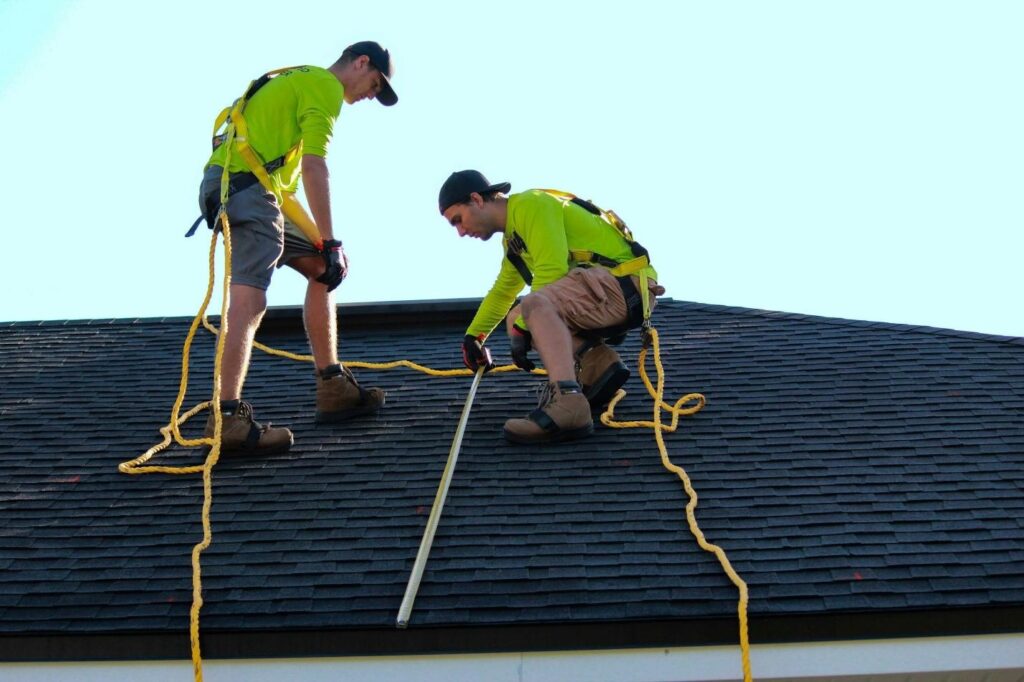
Roofs do not fail overnight. Years of sun exposure, temperature swings, and seasonal storms gradually wear down shingles and underlayment. Granule loss, curling edges, and faded patches usually indicate the system is approaching the end of its service life. Isolated repairs may buy time, yet they cannot reverse widespread material fatigue.
Leaks often reappear in new areas once the overall structure weakens. Repair crews might fix one section this month and return for another after the next heavy rain. That cycle becomes expensive and unpredictable. Take time to evaluate the roof replacement price in Franklin, TN, so that you can weigh it against the mounting expense of ongoing repairs. A full replacement restores structural integrity and provides reliable protection for years ahead.
Inefficient HVAC Units
Heating and cooling systems work harder each year as internal components age. Motors wear down, refrigerant lines develop leaks, and compressors lose efficiency. Repairs may extend operation briefly, yet performance rarely returns to original levels.
Higher energy consumption becomes noticeable when utility bills continue climbing despite routine maintenance. Older units also struggle to maintain consistent indoor temperatures. Some rooms feel warmer or cooler than others, which creates discomfort and forces the system to run longer cycles. New HVAC systems operate at significantly higher efficiency ratings. Advanced technology regulates airflow more precisely and reduces wasted energy. Monthly savings begin immediately and accumulate throughout the year.
Outdated Water Heaters
Water heaters show gradual signs of decline. Rust-colored water, inconsistent temperatures, and unusual noises often signal internal corrosion. Replacing heating elements or valves may restore performance briefly, but corrosion inside the tank continues to spread.
Older tank systems also lose energy through standby heat loss. Water remains heated around the clock even when not in use, which increases utility expenses. Repairs do not resolve this built-in inefficiency. Modern high-efficiency or tankless systems heat water on demand. Energy usage drops because water is not stored and reheated continuously. Installation costs are offset over time through lower monthly bills and longer operational life.
Drafty Windows and Failing Seals
Windows influence both comfort and energy efficiency. Broken seals allow moisture to collect between panes, which reduces insulation performance. Frames may warp or crack over time, allowing outside air to enter. Caulking and seal repairs offer temporary relief. Insulation remains compromised if the glass or frame structure has deteriorated. Heating and cooling systems must compensate for air leakage, which increases monthly costs.
Modern double- and triple-pane windows improve thermal resistance and sound control. Improved insulation stabilizes indoor temperatures and reduces strain on HVAC systems. Energy savings begin immediately after installation and continue for years.
Plumbing Systems with Chronic Leaks
Recurring plumbing issues usually point to aging pipes rather than isolated defects. A single leak might seem manageable, yet repeated problems in different areas signal widespread corrosion or material breakdown. Older galvanized or polybutylene pipes are especially prone to internal deterioration.
Small repairs often require opening walls, replacing sections, and patching surfaces afterward. Those labor costs accumulate quickly. Hidden leaks can also cause gradual structural damage, mold growth, and insulation decay before they are discovered. Whole-house repiping addresses the root cause instead of treating symptoms. Modern materials such as PEX and copper offer greater durability and improved resistance to corrosion.
Electrical Panels at Capacity
Electrical panels installed decades ago were not designed to handle today’s energy demands. Modern households rely on larger appliances, smart devices, home offices, and advanced entertainment systems. An outdated panel may struggle to distribute power safely and efficiently.
Frequent breaker trips, flickering lights, or warm panel surfaces suggest the system is operating near capacity. Replacing individual breakers does not resolve the underlying limitation of insufficient amperage. Upgrading the panel increases overall capacity and improves safety. New panels support current electrical loads and provide room for future additions such as electric vehicle chargers or expanded kitchen appliances. Fire risk decreases when circuits operate within proper limits.
Worn Flooring Beyond Refinishing
Hardwood flooring can endure multiple refinishing cycles, yet severe wear changes the equation. Deep warping, water damage, or structural instability in the subfloor cannot be corrected with sanding alone. Attempting surface repairs may leave uneven boards or persistent moisture issues underneath.
Laminate and older engineered materials also degrade over time. Peeling layers and swelling edges create trip hazards and diminish visual appeal. Spot repairs rarely blend seamlessly, which leaves the surface looking inconsistent. Replacing compromised flooring restores structural stability and improves indoor air quality. Modern materials offer enhanced durability, moisture resistance, and easier maintenance.
Repair has its place when a system remains structurally sound and relatively new. Problems arise when homeowners continue investing in components that have already reached the end of their practical life. Repeated fixes may feel responsible, yet they often prolong inefficiency and increase cumulative costs.
Strategic replacement shifts the focus toward durability and performance. Roofing, HVAC systems, plumbing, electrical panels, flooring, and similar components directly influence safety, comfort, and operating expenses. Once deterioration becomes widespread, upgrading provides more predictable results than continued repairs.
