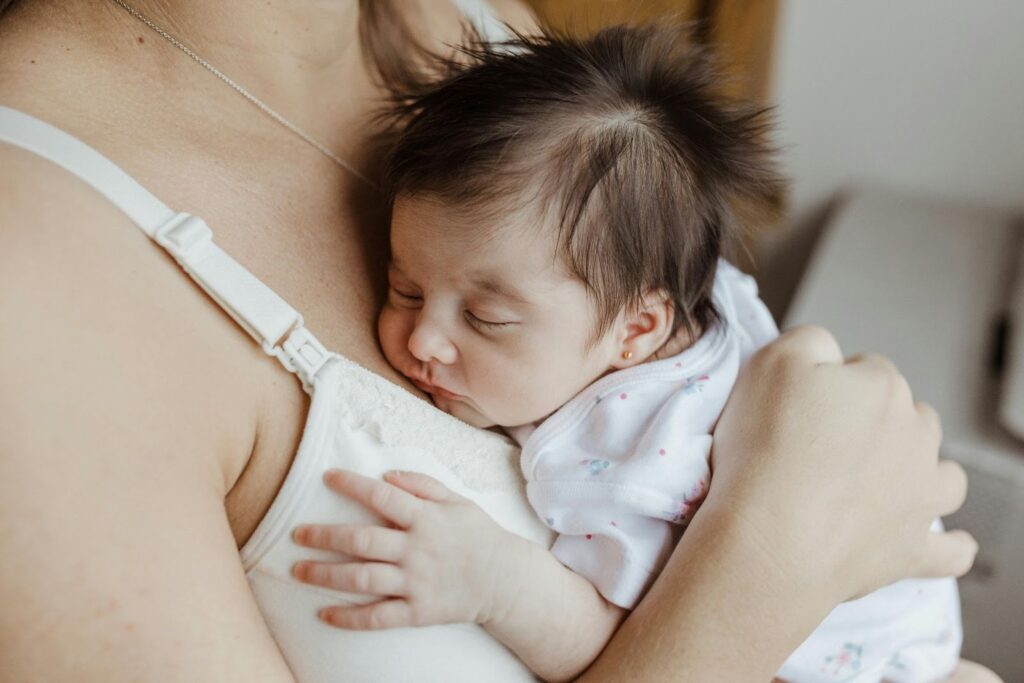
Whether you are a new parent or you have had kids before, the worries never go away. This can make it very hard, but it is also a very normal part of being human and being a new parent.
?
It is important to reflect on these worries and how to keep your newborn safe, so you can put all the right things in place. But it is also important to balance these out, as you don’t want to worry too much, as you are already going to be stressed enough with a newborn. This can impact your nervous system and mental health, which can then influence your newborn.
?
Awareness and understanding are key. Then you can apply them and take action. You know, then, as a parent, you are doing everything that you can. Then you can work on acceptance and trust. Trust that you are a good parent, trust in your intuition to help and support your new born, and always act in their best interest. There is a line, and you don’t want to cross it and become obsessed and not live your life or enjoy the journey with your new born.
?
To help you on your journey, here are some important considerations to know. Use them as a guide, in addition to your intuition.
?
Hygiene
Hygiene is important when you have a newborn, especially if they have any health conditions. They are very vulnerable at this age. Best practices at this early stage include:
?
- Wash your hands and make sure any visitors do, especially if you have been doing something that involves dirt or germs
- Avoid letting people kiss your newborn
- Wash clothes, bedding, and toys regularly (but not too regularly) with safe washing products, ensuring they are not too harsh or filled with chemicals
- Be aware of what they may be able to pick up from the floor and put in their mouth
Handling
Babies are precious, but they are also resilient. You still should handle them with care. Best practices include:
?
- Supporting the baby’s neck and head whenever you carry, lift, or move them
- Gentle actions only, avoid any shaking or harsh movements/rough play
Sleep
Sleeping can be a difficult time, as you have to let your baby learn to sleep and trust that everything will be okay. It is important to put safety measures in place so you can always rest with peace of mind. Best practices include:
?
- Keep a clear sleeping space so there is nothing that would pose a risk
- Keep your baby in your room for the first 3-6 months so you can keep an eye on them
- Ensure that they sleep on a soft, flat, but firm mattress
- Use baby safe blankets to keep them warm, like a baby sleep sack to help them move freely and maintain a good temperature
- Consider a pacifier to offer comfort for your baby
Home and outdoor safety
?
Make sure your home and the way you transport your baby around it are safe. Best practices include:
- Securing your baby when you are not holding them e.g., stroller, carrier, car seat, or high chair
- Childproof your home with safety covers on electrical outlets and safety locks on cabinets
- Anchor your furniture
Having a newborn will always be a worry, no matter how many children you have. Follow these best practices to get started.
