Buying your first home is something that you need to be knowledgeable about because there’s a lot that many first-time buyers don’t know about, simply because it’s not something that’s taught in schools.
There’s a lot that you can learn from buying a house for the first time, and this guide will hopefully provide you with all of the useful information you need to buy a property for the first time.
From getting your finances to making an offer on your first home, here’s everything you need to know when buying your first home.

- Get your finances in order
First and foremost, you’ll want to create a budget. Tracking your spending and identifying areas where you can save money will help you build up a deposit. The deposit is perhaps the biggest hurdle for modern-day buyers to build up, so it’s important to try and do this from the moment you start earning money.
Every bit of savings you can set aside from each paycheck will hopefully get you closer to the deposit you need. The deposit is often 10% of the home’s value, so if the property you’re looking to buy is valued at $350,000, you’ll need a deposit of $35,000.
That’s a lot of money, but with a budget plan in place, you may end up reaching your deposit goal sooner than you think. For example, if you were able to save $300 a month, you could save enough for a 10% deposit on a $350,000 house in around ten years. So if you started in your early twenties, you’d be able to buy your first house by the time you’re 30.
Checking your credit score is an important aspect of collating your finances together. A good credit score is essential to getting your mortgage approved. You may need to clean up your credit score when you intend to buy your first property.
Mortgage lenders will often pre-approve your mortgage, so before you start hunting for any property, it’s a good idea to ensure you have a mortgage agreement approved before you make an offer.
Finally, it’s imperative that you’re budgeting for extra costs. Factoring in additional expenses beyond the mortgage includes survey costs, moving costs, and solicitor fees. You probably want an extra $5,000-$10,000 for these extra costs, not to mention what you’ll need for furniture.
2. Think About Long-Term Costs and Value
While setting your budget, it is also important to think beyond the initial purchase price and consider the ongoing cost of living in your new home, especially in growing cities like Calgary, where housing trends continue to evolve. Properties built with energy-efficient materials and systems can significantly reduce monthly utility bills, making them a smart financial choice over time.
In markets where sustainability is becoming a priority, interest in options such as Avalon net zero townhomes in Calgary continues to grow as buyers look for homes that combine modern design with lower energy consumption. Choosing a home with these features can support both your financial goals and a more sustainable lifestyle.
3. Research and find your home
The next step is the most exciting one – finding your home! Research is extremely important because it’s not just the home you’re buying but everything that surrounds it. You might need it to be close to local schools for your kids, or you may find that living closer to a shopping district is important as a perk of living in the area.
Defining your needs is something that is helpful when finding your first home. You should have a list of must-haves and a nice-to-have list. This will help you narrow down your search criteria and stay within the budget.
Researching neighborhoods is good to find which areas best apply to what you need. You should then start your search by registering with estate agents. Use online property sites to get alerts for new listings that match your criteria.
Viewing properties should always be scheduled in person. While you can get a lot of insight from what’s captured online, unfortunately, you won’t get the full picture until you see it in person.
Go with a friend and take a list of questions so that you don’t miss out on any potential issues. It’s worth researching what to look out for when it comes to red flags in properties you’re considering. When you’ve got a good feeling about a property, consider viewing it again so that you can be sure that the home you’re buying is the right one for you.
It’s good to check out plenty of properties, even if you fall in love with the first one. It’s beneficial to get a perspective of different property types so that you can be sure the one you pick is right for you and your household.
4. Make an offer and complete the purchase
Once you’ve decided on a property, you’ll want to make an offer. A seller might be more flexible when it comes to selling, especially if they need to sell quickly or if the property has been on the market for an extended period.
Once your offer has been made, the seller may return with a counteroffer. They may reject it if it’s not an appropriate offer, or they will accept the offer. The property is then under offer as the process begins.
A conveyancer or solicitor will help to handle all of the legal aspects of the purchase, which includes title checks and the transfer of ownership. Booking a house survey is another important part of identifying any potential problems with the property that might need addressing before the sale goes through.
Typically, you’d be able to liaise between the seller and agent to see what work could be done that needs rectifying before agreeing to the sale. House surveys can be costly and imperative to conduct to identify any potential problems in the home that aren’t visible on the surface.
Contracts will then be exchanged, and this is when the sale becomes legally binding. This is also where you will pay your deposit and will likely need other funds available for legal fees, etc.
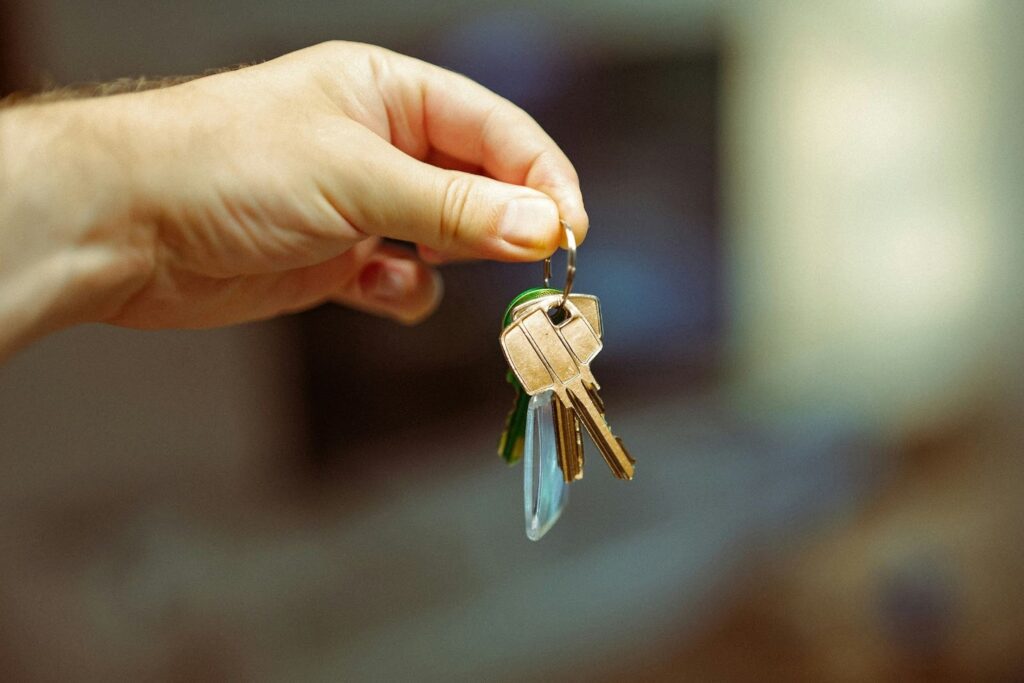
Once you’ve completed, you’ll be given the keys to move into the property. The property is officially transferred to you. All that’s left to do is to move in and get your furniture sorted. Over time, the more you pay off, the more capital you accrue in the property and the more property you own.
With that being said, if you’re navigating your first home-buying experience, then use these tips to make sure the process goes as smoothly as possible. From picking your mortgage lender to researching the area around your property, everything
