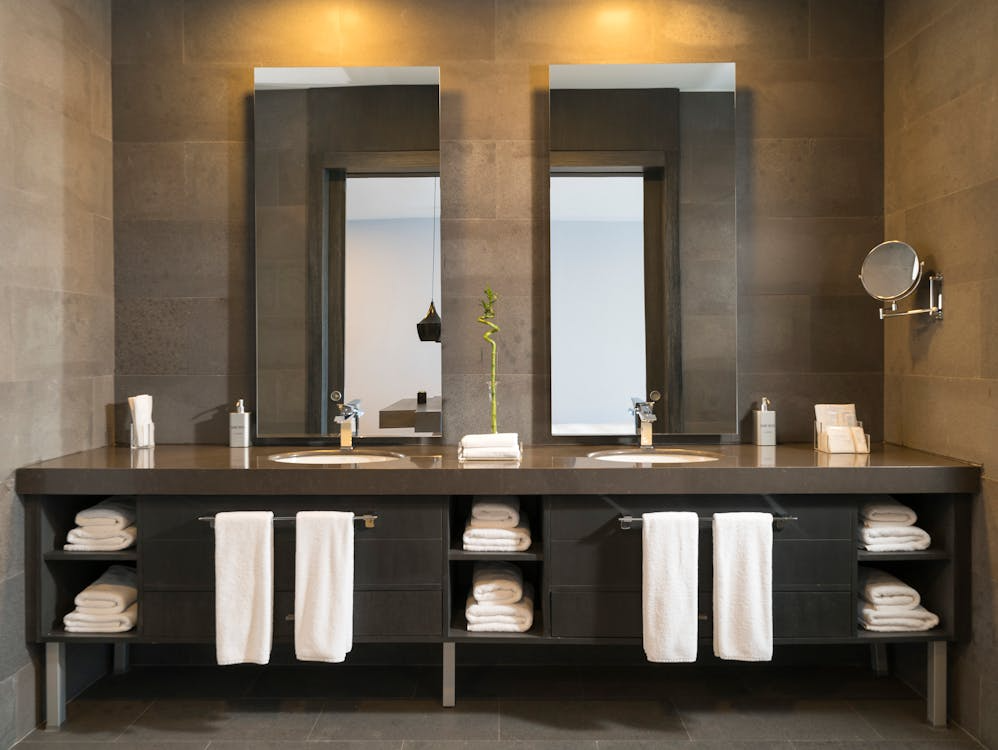
Home should be a place where you instantly feel calmer, lighter, and more grounded. With so much happening in daily life, your living space can play a big role in helping you reset mentally and physically. That’s why many people are bringing spa-like elements into their homes. A spa-inspired environment isn’t about perfection; it’s about creating cozy, peaceful spaces that support your routines and well-being.
This style centers on comfort, simplicity, and natural elements. Whether you live in a small apartment, a larger home, or somewhere in the quiet neighborhoods near Fort Myers, these ideas can work in almost any space. The key is choosing textures, colors, lighting, and habits that make your home feel warm, welcoming, and uncluttered. When you start viewing your home with relaxation in mind, it becomes easier to transform your everyday environment into one that feels soothing the moment you walk in.
One of the best places to start is the bathroom, which naturally lends itself to relaxation and privacy. Once you create a peaceful foundation there, it becomes easier to extend that feeling throughout the rest of your home.
Start with Your Bathroom: The Foundation of a Spa-Inspired Home
Because the bathroom is where your mornings begin and your evenings wind down, it’s the perfect place to set the tone for a spa-like environment. Many homeowners choose to refresh this space first, not only with décor but with upgrades that enhance comfort and function. Before any major changes, it helps to imagine how you want the space to feel, whether that’s more open, brighter, or simply calmer, a priority for many in regions like the coast near Fort Myers.
If you’re looking to elevate your space in a polished, relaxing way, reaching out to local experts for bathroom remodeling in Fort Myers can ensure a well-designed bathroom with updated features that enhance everyday routines.
When you work with a full-service remodeler, you gain access to premium materials and a clear process from design through installation. The right team will help choose durable fixtures, high-quality cabinetry, and efficient layouts that improve usability. These elements support a space that not only looks refreshed but also functions with ease and longevity. To complete the look, choose finishes like soft neutral tones, warm lighting, and natural textures that tie together the enhancements made during the remodel.
Upgrading further needn’t mean overspending. Thoughtfully selected features, such as a high-performance shower system or convenient built-in storage, can elevate the experience without excess. The goal is a bathroom that feels restorative and peaceful every time you enter.
Use Calming Colors and Natural Materials Throughout Your Space
Once your bathroom is dialed in, carry that aesthetic forward into living areas and bedrooms. Color choices have a surprisingly big effect on how relaxed you feel in a room. Choose soft neutrals like off-white or light taupe, muted greens that recall nature, or gentle blues reminiscent of water and sky. Avoid overly bright, bold hues that demand attention and create visual tension. Alongside color, incorporate tactile natural materials: wood (even as accents or furniture legs), rattan baskets, woven linen curtains, and stone or slate touches work beautifully. These materials ground a space and keep it from feeling cold or clinical. Combine materials thoughtfully: perhaps a linen sofa throw, a bamboo side table, and a marble-look lamp base. The point is not to overload the senses, but to show quiet harmony.
Create a Sensory Oasis: Harnessing the Power of Scent and Sound
A true spa experience is more than just what you see; it’s what you smell and hear. In your home, you can create this easily. For scent, choose essential oil diffusers or soy candles in calming fragrances like lavender, eucalyptus, or sandalwood. Dried eucalyptus branches in a vase also add both visual and scent appeal. For sound, consider installing speakers that play soft ambient music or nature sounds. If possible, add a small tabletop water feature (a gentle fountain) or use a white-noise machine in areas where outside noise enters. Remember: the goal is to support relaxation, not novelty, so avoid scents or sounds that feel overly stimulating. A calming soundscape paired with a natural scent brings your home closer to the sensory experience of a spa.
Add Soft Lighting and Spa-Like Illumination
Lighting dramatically affects mood. Harsh overhead lights can feel clinical, while warm, soft lighting fosters calm. In living rooms or bedrooms, use warm-temperature LED bulbs, ideally on dimmer switches so you can adjust the ambiance. Table lamps with fabric shades, Himalayan salt lamps, or wall-mounted sconces all help create varied layers of light. In bathrooms, consider adding lighting around the mirror, under vanities, or soft back-lighting behind fixtures to give a gentle glow. Candlelight, real or high-quality LED, also adds instant warmth. To complement this, make sure windows are outfitted with light-filtering shades or curtains that let natural daylight in softly, rather than bright-blasting the room. The result: a home that supports the transition from bright, active day to calm, unwind evening.
Incorporate Plush Textiles and Cozy Comforts
Comfort is tactile. In your home, look for textiles that invite you to linger. In your bathroom, have plush towels, a thick bath mat, and maybe a robe on a hook nearby. In living spaces, place soft throw blankets over sofas, plush cushions, and high-thread-count bedding in bedrooms. Choose textures like soft cotton, linen, or even faux fur for a little luxury. Woven baskets for linens, neatly rolled towels, and a cozy reading corner all signal that your home is built for rest and luxury, not just function. These touches don’t need to be expensive; they simply need to be intentional and well-placed.
Creating a spa-inspired home environment doesn’t require a massive budget or extreme redesign. It begins with choosing one area, often the bathroom, as a cornerstone and then extending color palettes, materials, lighting, and sensory elements through the rest of your space. By incorporating calming colors, natural materials, soft lighting, cozy textiles, minimal clutter, indoor greenery, and soothing sensory touches, you turn your home into a sanctuary not just for the weekend, but for everyday living. Add consistent relaxation rituals, and your space becomes active in supporting your wellbeing. The result: a home that doesn’t just look relaxing, it feels relaxing and invites you to inhale, exhale, and simply be.
