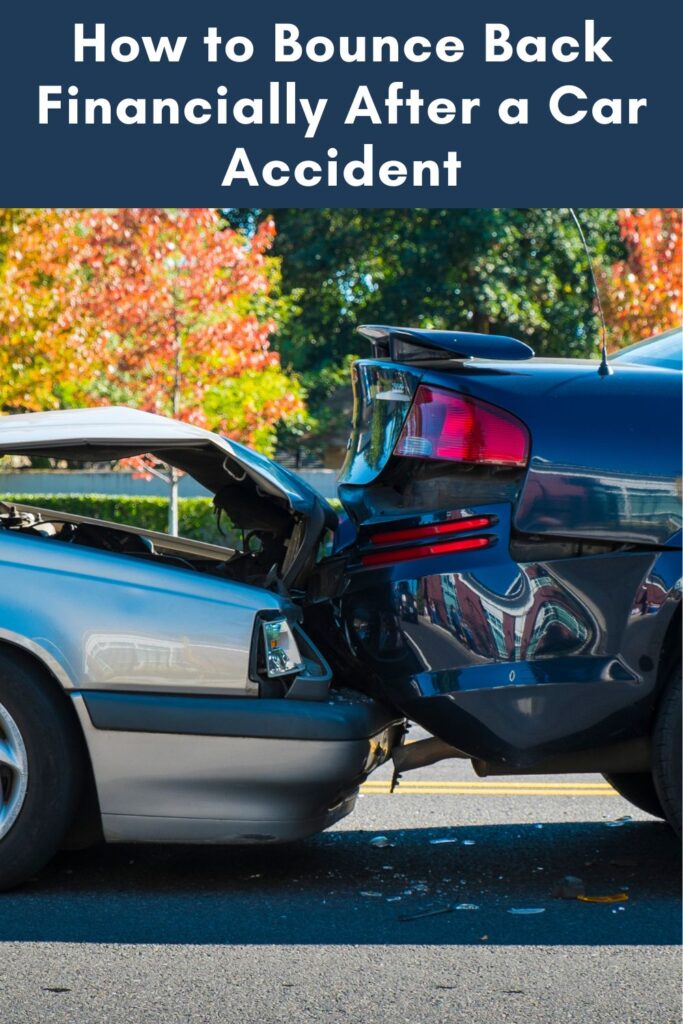
Most people don’t plan to get into car accidents, but accidents do happen, and when they do, they can put you in an unexpected financial situation. Fortunately, there are ways to deal with the situation that aren’t only financially sound but also prevent these situations from happening in the future. Follow these steps to help bounce back financially after a car accident.
Get all your medical bills in one place
Your first step in dealing with your finances after an accident is to collect all your medical bills and get them in one place. That will help you see how much of a financial impact it really has had. It’s also important that you start keeping track of all expenses and payments related to your injury—make sure you’re tracking any missed work as well.
There are two crucial reasons to collect these bills:
Firstly, when working with a car accident attorney, you might find that you are entitled to compensation for your medical costs.
Secondly, you will need those invoices to deal with your insurance provider.
Collect relevant receipts
When you’ve been involved in a car accident, you have to consider the extent of the physical damage. If the vehicle needs repair work, typically, car owners tend to wait until the situation is sorted out to proceed. However, if you need to use the vehicle every day for work, you may want to get it fixed sooner. In this case, you will need to document the quote estimates and the bills for future reference.
Doing so will prepare yourself for potential monetary compensation that may help your finances.
Similarly, if items in the vehicles were affected by the accident, such as your laptop, keep hold of all repair or replacement bills.
Gather your damaged items
If you have auto insurance, follow your insurance company’s instructions on how and when to dispose of your damaged items. If not, make sure they’re properly stored in case your home or car insurer asks for them later. Your insurance company may have their own guidelines for how and when to dispose of your damaged goods; don’t throw anything away until you know how it fits into their system.
Understand what you are entitled to
The first thing to do is look at what you are entitled to from insurance companies. Typically, when you’ve been in an accident, and it wasn’t your fault, you have no out of pocket expenses. However, if it was partially your fault, then you will still be responsible for paying deductibles as well as having some money taken off of your settlement. Understanding what is owed to you will be paramount in helping figure out how much money you can save after an accident, including lost income compensation, vehicle value, medical costs, etc.
Understand which insurance will cover what costsMake sure you’re fully aware of which insurance company is responsible for which costs and associated debt. For example, your bodily injury coverage might help with medical bills and lost wages, but you may have to take care of your car-accident debt on your own. Your home insurance policy may cover damage to items that were in the car, such as your laptop. The sooner you talk to the right contact, the sooner you can get things fixed.

Leave a Reply