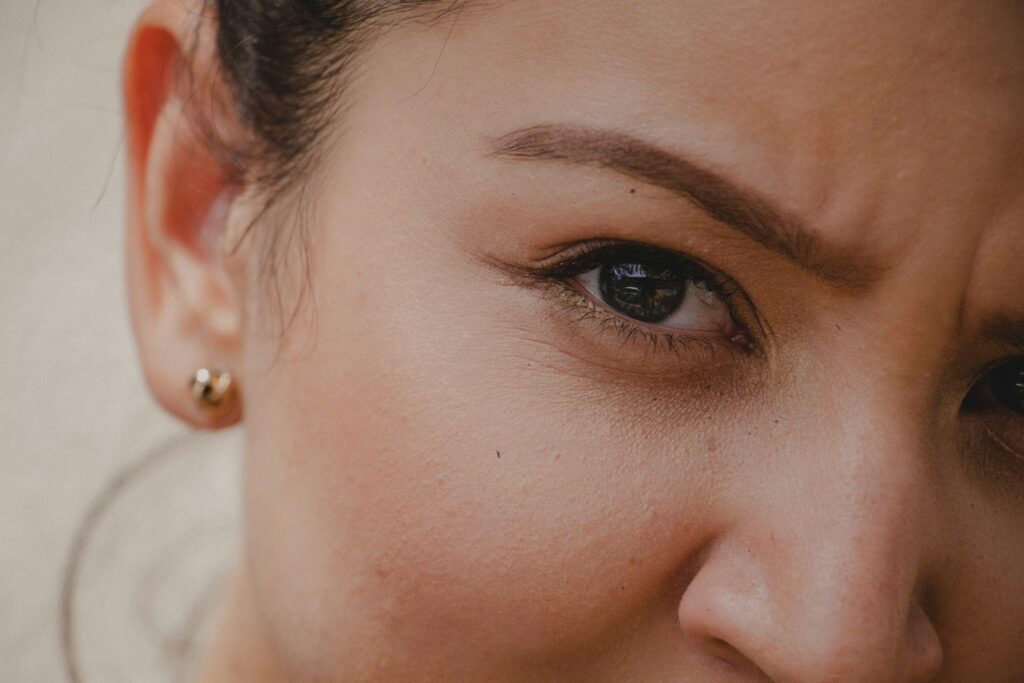
Photo by Josue Escoto on Unsplash
The public perception of Botox has changed significantly over the last decade. Patients are increasingly moving away from the exaggerated cosmetic trends that once dominated social media and toward more conservative, medically guided treatment plans focused on subtle rejuvenation and long-term skin maintenance. In many consultations, the goal is no longer a dramatic transformation. More often, patients describe wanting to look less fatigued, less tense, or more refreshed overall while still maintaining natural facial movement and expression.
That shift reflects a broader evolution happening across aesthetic medicine itself. Modern patients tend to be more informed about facial anatomy, aging patterns, preventative care, and treatment outcomes than previous generations. They are also more aware of the risks associated with overtreatment. Public backlash surrounding overfilled features and frozen expressions has made many patients significantly more cautious about preserving facial balance and individuality.
As a result, Botox is increasingly being approached less as a dramatic cosmetic intervention and more as part of a preventative skin and facial aging strategy.
What Botox Actually Does From a Medical Perspective
Botox is a neuromodulator derived from botulinum toxin type A. When injected into targeted muscles, it temporarily reduces muscular contraction by interrupting specific nerve signalling pathways. In aesthetic medicine, this allows repetitive facial movement patterns to soften over time, particularly in areas associated with dynamic wrinkle formation, such as the forehead, glabella, and crow’s feet.
Dynamic wrinkles differ from static wrinkles because they initially appear during facial movement before eventually becoming etched into the skin at rest. Repeated muscle contraction gradually places stress on the skin over time, particularly as collagen and elastin naturally decline with age.
“Dynamic rhytides are caused by repetitive muscle movement and may progress into static lines over time due to structural skin changes.”
— Journal of Clinical and Aesthetic Dermatology
This is one reason preventative treatment approaches have become increasingly common among younger patient demographics. Conservative treatment can help reduce repetitive muscular strain before deeper expression lines fully establish themselves.
Why Repetitive Facial Movement Matters More Than Many Patients Realize
Facial aging is influenced by multiple biological factors simultaneously. Genetics, ultraviolet exposure, hormonal changes, sleep quality, stress, inflammation, collagen loss, and environmental exposure all contribute to visible aging patterns. However, repetitive muscular movement remains one of the primary contributors to dynamic wrinkle formation.
Everyday expressions such as squinting, concentrating, frowning, or raising the brows repeatedly place tension on the skin. In younger skin, collagen allows tissue to rebound more efficiently following movement. Over time, as collagen production gradually slows, those repetitive movements begin leaving more visible creasing behind.
According to the American Society of Plastic Surgeons, botulinum toxin injections remain among the most commonly performed minimally invasive cosmetic procedures annually. Importantly, current procedural trends increasingly emphasize conservative dosing, preventative care, and individualized treatment planning rather than aggressive correction.
Signs Patients Commonly Notice Before Seeking Botox
Patients do not always pursue Botox because they want to look younger. In many cases, they are responding to specific expression-related concerns that gradually become more noticeable over time.
Common concerns patients describe include:
- forehead lines remaining visible at rest
- tension between the brows
- appearing tired despite adequate sleep
- looking stressed or angry, unintentionally
- makeup settling into expression lines
- increased awareness of facial tension during video calls
- asymmetry caused by repetitive muscle movement
- worsening crow’s feet during smiling or squinting
These concerns have become increasingly common alongside the rise of prolonged screen exposure and video conferencing culture.
Chronic Stress and Facial Tension Often Present Physically
One of the more overlooked aspects of facial aging is the effect chronic stress has on muscular tension and facial expression patterns. Many individuals unconsciously hold tension throughout the forehead, brow, jaw, and periocular region during periods of prolonged concentration or stress.
Over time, these repetitive contraction patterns contribute to visible strain within the skin and underlying musculature.
Research examining stress physiology has consistently linked elevated cortisol levels to inflammatory changes, collagen degradation, impaired skin barrier function, and accelerated visible aging. Simultaneously, increased digital visibility has intensified facial self-awareness. Studies examining “Zoom dysmorphia” trends found that prolonged video conferencing exposure heightened appearance-related concerns among many adults, particularly regarding facial aging and fatigue.
While Botox cannot address stress itself, reducing excessive facial tension can contribute to a softer and more rested overall appearance when incorporated appropriately into a broader treatment strategy.
Modern Botox Techniques Prioritize Natural Expression
One of the largest misconceptions surrounding Botox is the assumption that treatment automatically produces a frozen or expressionless appearance. In reality, unnatural outcomes are typically associated with poor injection technique, excessive dosing, or treatment plans that fail to account for individual anatomy.
Modern injection strategies have become substantially more conservative and anatomy-driven. Proper facial assessment requires evaluation of muscle strength, asymmetry, resting facial tension, brow positioning, skin quality, and long-term aesthetic goals before treatment is performed.
Conservative Treatment Planning Often Produces Better Long-Term Outcomes
Overcorrection can disrupt natural facial balance and create stiffness that appears visually unnatural. Increasingly, both practitioners and patients are prioritizing softer treatment approaches that preserve movement while reducing excessive muscular contraction.
The strongest Botox outcomes are often subtle enough that they are not immediately identifiable to others. Patients generally still look fully like themselves, but appear less tense, less fatigued, or more refreshed overall.
Patients today are increasingly prioritizing subtle treatment plans focused on prevention, facial balance, and natural movement, which helps explain the growing interest among individuals seeking more conservative, medically guided aesthetic care who want to understand what to expect after Botox before committing to treatment.
Common Misconceptions About Botox
“Botox always looks frozen.”
Poorly performed Botox can create stiffness or unnatural movement patterns, but modern conservative injection techniques are designed specifically to preserve natural expression while softening excessive contraction.
“Only older patients get Botox.”
Many younger patients pursue preventative treatment earlier to reduce repetitive muscular strain before deeper etched lines develop. Preventive treatment plans are typically more conservative than corrective treatment approaches.
“Botox changes your face completely.”
Botox does not add volume or restructure facial anatomy. It temporarily relaxes targeted muscles responsible for repetitive movement patterns.
“If you stop Botox, your wrinkles become worse.”
Botox does not accelerate aging after discontinuation. Muscle movement gradually returns as the neuromodulator wears off, and the skin simply resumes its natural aging process.
Questions Patients Should Ask Before Treatment
Patients considering Botox should feel comfortable discussing both medical and aesthetic concerns during consultation appointments.
Important questions include:
- Who will be performing the injections?
- How conservative is the treatment philosophy?
- How does facial anatomy influence placement strategy?
- What degree of movement will remain afterward?
- How long are results expected to last?
- What risks or side effects should be discussed beforehand?
- How will treatment goals be individualized?
A thorough consultation process remains one of the most important aspects of achieving balanced and natural-looking results.
Botox Is Becoming More Preventive Than Corrective
One of the clearest shifts within modern aesthetic medicine is the movement toward earlier, lower-intervention treatment strategies. Increasingly, patients are less interested in dramatic alteration and more interested in maintaining healthy-looking skin, balanced expression, and long-term facial vitality as they age.
That distinction changes the entire philosophy behind treatment planning.
The goal is no longer obvious transformation. Increasingly, the goal is simply to look less visibly affected by stress, fatigue, repetitive muscle tension, and the cumulative effects of modern life while still looking entirely like yourself.
