
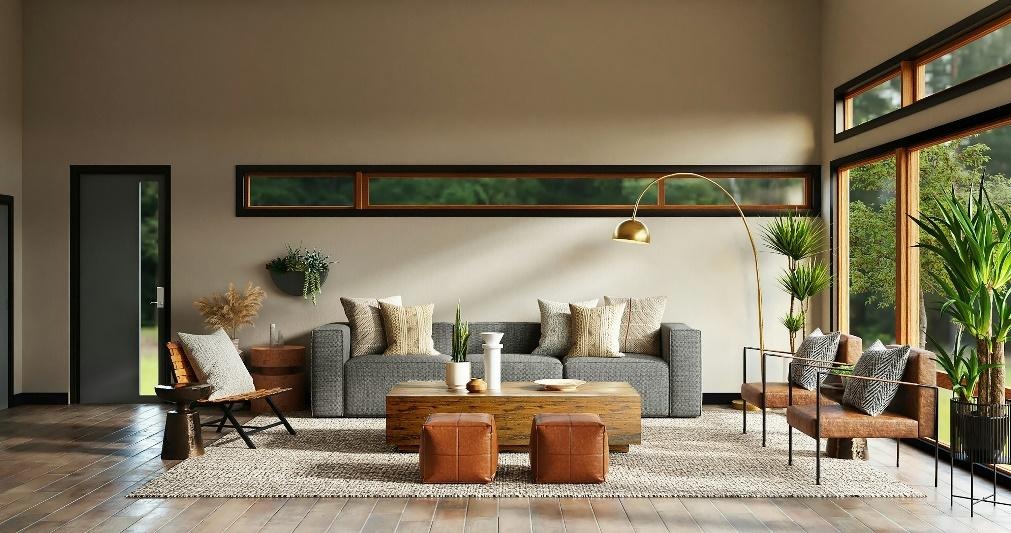
The way people experience their homes in Bellevue, WA, has shifted in recent years, with daily routines, remote work, and personal well-being all shaping how interior spaces are used. Homeowners now expect their living areas to do more than simply look attractive. Comfort, practicality, and personal expression have moved to the center of how rooms are arranged, decorated, and lived in every day.
Modern living is no longer defined by a single aesthetic or a fixed set of rules. It is a thoughtful balance between how a space feels, how it performs, and how it reflects the people inside it. Achieving that balance takes a clear understanding of layout, materials, light, and the small details that quietly hold everything together.
Working with Trusted Design Build Professionals
Many homeowners eventually reach a point where their kitchen feels cramped, their bathroom feels dated, or the overall flow of the home no longer suits the way the household lives. Turning these spaces around takes more than a quick refresh, since high-end results depend on careful planning, premium materials, and skilled craftsmanship at every stage.
This is exactly where a Bellevue interior remodeling company brings real value, guiding homeowners through a complete design-build process that covers everything from the initial consultation to the final reveal. With dedicated design consultants, luxury finishes, and a focus on long-term quality, the right team can transform kitchens, bathrooms, and full interiors into spaces that feel refined, functional, and built to last for years to come.
Designing Rooms That Support Real Life
A modern home should respond to the way people actually move through it. Rather than chasing trends, homeowners are paying closer attention to how each room performs across different times of the day. A living room used for morning coffee, afternoon work calls, and evening downtime needs flexible seating, layered lighting, and surfaces that can handle constant use.
Thoughtful zoning has become one of the simplest ways to make a space feel both relaxed and purposeful. A reading nook tucked beside a window, a quiet corner for journaling, or a soft rug that defines a conversation area can quietly improve how a room functions. These small choices often have a stronger impact on daily comfort than larger, more expensive upgrades.
Choosing Pieces That Age Gracefully
Furniture and decor carry the personality of a home far more than people often realize. Natural wood pieces, warm stone accents, textured ceramics, and honest metals continue to win favor because they soften over time rather than wear out. Their small imperfections add depth, and they tend to look better after a few years of use, not worse.
Selecting decor with longevity in mind also reduces the urge to redecorate every few seasons. A solid wood console, a handmade ceramic lamp, or a linen sofa cover can anchor a room for years while still allowing the rest of the space to evolve around it. The aim is to build a foundation of pieces that feel timeless, then layer in softer elements that can be refreshed whenever the mood calls for it.
The Quiet Power of Natural Light
Light shapes the personality of every room more than most people realize. A space with poor lighting can feel cramped, no matter how stylish the furniture, while a well-lit room feels open, calm, and welcoming, even with simple decor. Maximizing natural light has become a priority for homeowners who want their spaces to feel restorative.
Sheer window treatments, lighter wall tones, and carefully placed mirrors can dramatically improve how sunlight moves through a home. In rooms that lack large windows, layered artificial lighting becomes essential. Combining ambient, task, and accent sources creates depth and allows the mood of a room to shift with the time of day, supporting everything from focused work to quiet evenings.
Keeping Daily Clutter Quietly in Check
Clutter is one of the quickest ways for comfort and style to break down. The simplest approach is to assign every item a clear home, so surfaces stay open, and rooms feel calmer at the end of each day. Decorative baskets, low-profile trunks, and freestanding pieces with smart compartments make organization feel intentional rather than forced.
When daily habits are planned around how a household actually lives, the visual noise of a room fades naturally. A small tray by the front door for keys, a tidy bedside arrangement, and bedroom closets that match the rhythm of a morning routine all contribute to a home that feels effortless.
Color, Texture, and Personal Expression
Neutral palettes remain popular for their ability to ground a space, but homeowners are growing bolder with how they introduce personality. Soft earth tones, muted greens, deep terracotta, and warm off-whites are showing up in places that once defaulted to plain white. The shift is subtle but meaningful, giving homes a richer, more inviting atmosphere.
Texture plays an equally important role. A boucle armchair, a chunky knit throw, a smooth ceramic vase, and a woven floor cushion all contribute to a sense of warmth that paint alone cannot create. Mixing materials thoughtfully keeps a room from feeling flat and invites people to actually sit down, settle in, and stay a while.
Outdoor Spaces as a Living Extension
Patios, balconies, and small garden corners are now treated with the same care as interior rooms. Comfortable outdoor seating, weather-resistant rugs, and soft lighting allow these areas to function as true extensions of the home. Even modest outdoor spaces can offer a meaningful change of scenery without leaving the property.
Greenery brings the experience full circle. Whether through potted herbs by a kitchen door, climbing plants along a fence, or a few well-placed trees, nature has a quiet way of grounding a home. It softens hard edges, improves the air, and reminds the people inside to slow down.
Modern living, at its best, is about creating a home that supports rest, productivity, and connection in equal measure. When comfort, function, and style work together, every room begins to feel like it belongs to the people who live there.