A home remodeling project becomes far more manageable once you understand the spaces that deserve focused attention. Seattle homes often feature a mix of older construction and modern updates, which makes early planning especially important. Local housing styles, climate considerations, and neighborhood trends can influence design choices, material selection, and long-term maintenance.
Each area of the home carries its own set of needs, challenges, and opportunities, so thoughtful preparation guides the decisions that follow. A practical plan begins with the rooms that influence comfort and daily routines. Kitchen, bathroom, living areas, bedrooms, and basements all play distinct roles in how a home functions.
Kitchen Upgrades That Improve Everyday Living
The kitchen sits at the center of most households, which makes its design one of the strongest contributors to functionality. A remodel starts with a clear understanding of how the space supports your routines. Cooking habits, storage needs, and traffic patterns help define the overall layout.
Durability plays a major role here. Countertops, flooring, and hardware face constant use, so selecting sturdy materials protects your investment. Lighting also deserves attention. A combination of task and ambient options creates a balanced environment that supports cooking and socializing.
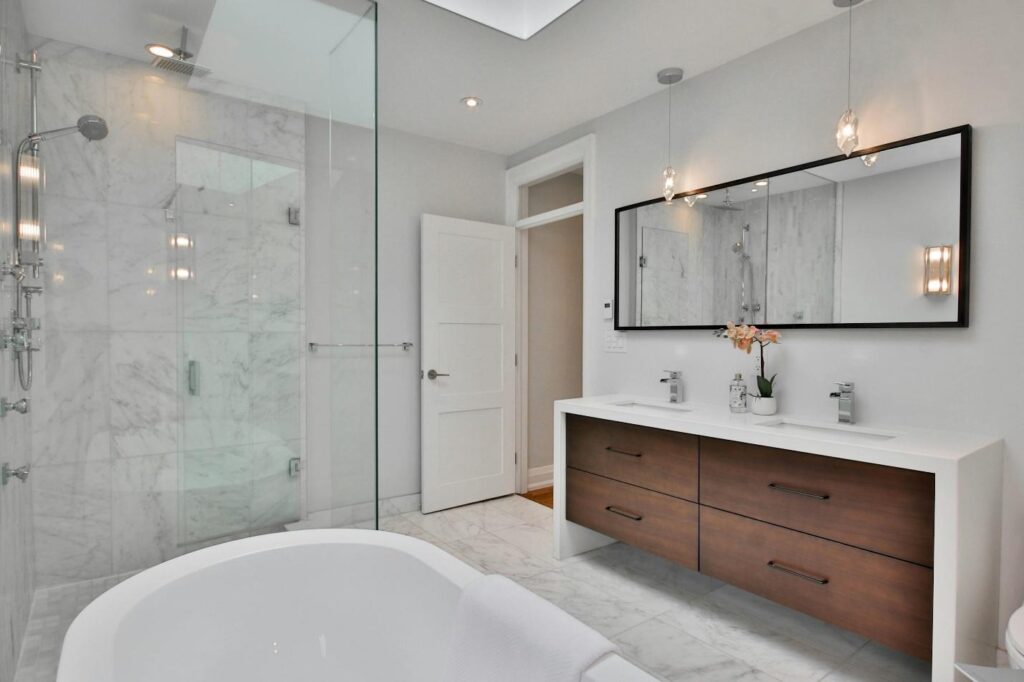
Bathroom Improvements That Add Comfort and Value
Bathrooms contribute more to daily comfort than many homeowners realize. A successful remodel begins with an honest look at plumbing, moisture control, and ventilation. These elements determine long-term performance and prevent issues that often go unnoticed until damage appears. Layout adjustments can improve privacy, flow, and accessibility, which is especially helpful when planning for future needs.
Material selection matters in this space because surfaces regularly encounter water and heat. Quality fixtures, efficient lighting, and durable finishes create a bathroom that feels practical and relaxing. If you’re looking for a reputable Seattle bathroom remodeling company, choose professionals familiar with local conditions and moisture-control best practices. That experience helps ensure waterproofing, ventilation, and surface prep are handled correctly from the start.
Living Room Enhancements for Better Functionality
The living room often serves many purposes, so its design should support versatility without sacrificing comfort. A good starting point is understanding how the space works throughout the day. Seating arrangements, entertainment placement, and walk paths influence the room’s overall rhythm. Small adjustments can improve flow and make the space feel more open.
Lighting shapes the atmosphere and can transform the room from a daytime gathering area to a calmer evening setting. Window treatments, flooring updates, and color choices also influence how inviting the space feels. A remodel that focuses on balance creates a living room that adapts to both quiet moments and larger gatherings.
Bedroom Updates That Support Rest and Storage Needs
Bedrooms should feel peaceful and functional. A remodel begins with evaluating layout choices that promote relaxation. Proper furniture placement improves airflow and creates a calming environment. Storage solutions deserve equal attention since clutter affects comfort. Thoughtful closet design or built-ins help maintain order without overwhelming the room.
Color palettes and materials play powerful roles here. Soft, consistent tones create a restful backdrop, while durable finishes maintain their look over time. Electrical placement influences convenience, especially for lighting and charging devices. A well-planned bedroom remodel strengthens daily routines and supports better rest.
Basement Transformations That Expand Usable Space
Basements offer valuable square footage, and a remodel can turn this level into a meaningful extension of the home. Moisture control and insulation must be addressed before any design decisions. These factors determine the room’s long-term comfort and prevent costly issues later. Once the environment is stable, the layout can support entertainment areas, storage zones, or guest accommodations.
Lighting deserves thoughtful planning because basements often lack natural light. A mix of warm, layered lighting creates a welcoming feel. Flooring, ceiling height, and wall treatments should reflect how the space will be used. A strategic approach helps the basement function as a true living area rather than an afterthought.
Exterior Improvements That Strengthen Curb Appeal
Exterior updates shape the first impression of your home and contribute to structural health as well. A remodel begins with a clear look at siding, roofing, and window conditions since each element influences energy efficiency and long-term durability. Weather exposure affects materials differently, so choosing options suited to your climate protects your home over the years.
Entryways often benefit from refinished surfaces, improved lighting, or updated doors that enhance both appearance and function. Landscaping choices can highlight architectural features and create a balanced view from the street.
Outdoor Living Areas That Extend the Home’s Footprint
Outdoor spaces have become essential parts of modern living. A remodel that includes patios, decks, or garden areas brings more flexibility to your lifestyle. The design should reflect how you plan to use the space, whether for quiet relaxation or regular gatherings. Material choices affect comfort and durability, especially in climates with seasonal temperature changes.
Lighting arrangements help outdoor areas feel inviting after sunset and support a wider range of activities. Seating placement, shade elements, and walkways influence how easily people move through the space. A thoughtful layout connects indoor and outdoor environments in a way that feels natural and comfortable.
Whole-Home Systems That Affect Long-Term Performance
Major systems within the home determine how efficiently everything functions. Electrical capacity, plumbing lines, and HVAC performance should be evaluated before finalizing any remodeling plan. These systems affect safety, comfort, and energy use so that upgrades can offer long-term advantages. Smart-home features also come into play here, providing convenience through automated controls, security enhancements, and efficient climate management.
Insulation improvements help regulate temperature and reduce operating costs throughout the year. Windows and doors contribute to overall energy performance as well, so their condition influences the effectiveness of system updates.
A home remodel becomes far more successful when each area is approached with intention. Kitchens, bathrooms, living spaces, bedrooms, basements, and outdoor environments all hold unique opportunities to improve comfort and function.
Exterior upgrades and system evaluations further strengthen the home’s long-term stability. A steady, informed process helps you make choices that align with your goals and lifestyle. Thoughtful decisions across every space lead to results that feel cohesive, practical, and rewarding.
