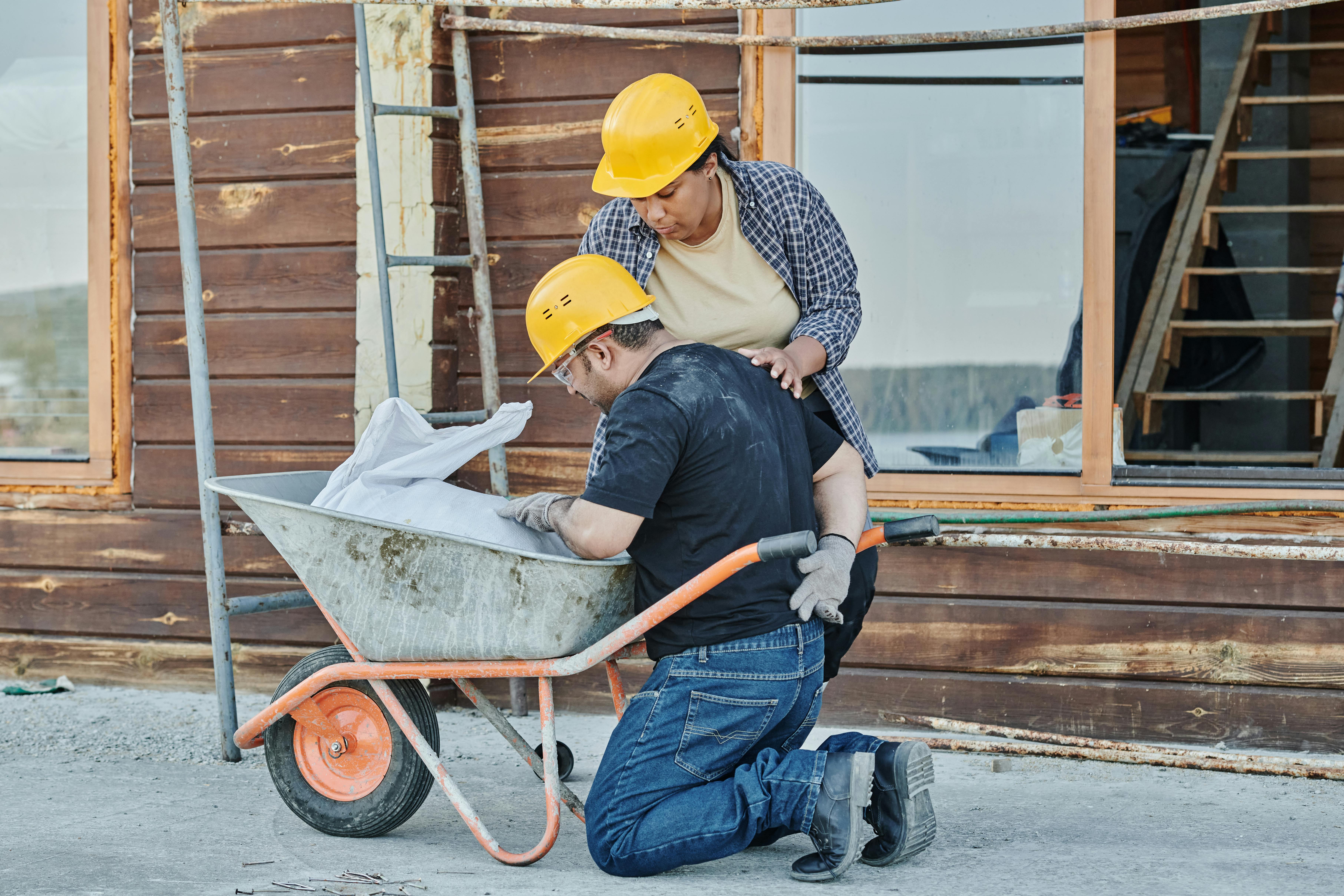
Recovering from a serious work injury forces you into a strange kind of pause. Your body needs rest. Your mind carries fear. And all the while, your family still needs the daily structure, reassurance, and emotional steadiness they’re used to. It’s a tough balance. But with the right habits and support systems, you can keep your home grounded without burning through what little energy you have.
Via Pexels
Creating a Routine that Keeps Your Home Running Even When You’re Healing
You don’t have to run your home the way you did before the injury. In fact, you shouldn’t. A slowed body demands a slower rhythm, so build a routine that protects your recovery and still gives your family a sense of predictability. Start small: anchor your days with two or three fixed touchpoints, morning check-ins, homework time, a simple evening wind-down.
Then layer in support. If meals are your biggest stress point, set up a rotating “easy list” of foods your household can prepare without you. If mornings feel chaotic, prep clothes or schoolbags the night before. The goal isn’t perfection; it’s a home that moves without friction. The more predictable your days feel, the more secure your family becomes.
Sorting Out Paperwork and Responsibilities Without Overwhelm
This part is never fun, but it can make or break your recovery. Injuries come with admin, doctor reports, employer communication, income interruptions, and the avalanche of forms that follow. Instead of handling everything as it comes, gather all paperwork into one central folder or shared digital drive. Make categories you can actually use, not just stare at: medical, financial, school, home tasks, urgent items.
This is also the section where many people get stuck and delay things that matter. If your injury happened on-site or due to unsafe working conditions, you may need to look into construction accident compensation claims to protect your household financially. Treat this not as “extra work,” but as creating future stability. The right support here can relieve enormous pressure later.
Knowing when to Ask for Professional Help to Protect Yourself
Here’s the truth: you’re not supposed to navigate this alone. A serious injury affects your income, your mobility, your mental energy, and your family dynamic all at once. Professionals exist for a reason: medical teams, therapists, legal advisers, HR contacts, even community support workers.
But knowing when to call them in? That’s the part you must learn to listen for. If decisions feel too big, if paperwork becomes a trigger, if you’re hiding pain to keep the peace at home, those are signs you need outside help. Your recovery is not just physical; it’s emotional and logistical, too. Getting guidance early saves you from months of unnecessary stress.
Keeping Communication Open Without Draining Yourself
Your family worries even when they don’t say it. A simple weekly “state of things” talk can ease that tension. Share what you’re managing, what you still need help with, and where you’re improving. Don’t sugar-coat. Don’t dramatise. Just be honest. It gives everyone a sense of direction and stops small issues from snowballing.
Steadying your household while healing isn’t about being strong; it’s about being strategic. When you set up routines, tackle admin intentionally, and lean on the right support at the right time, your family stays grounded, and you give yourself the space to recover fully.