
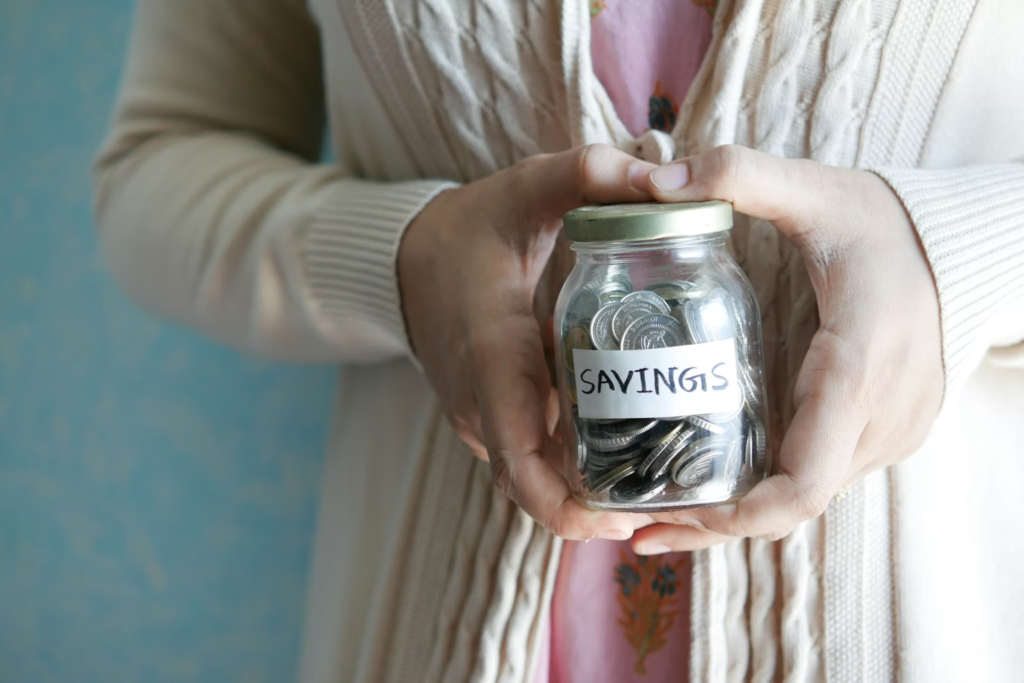
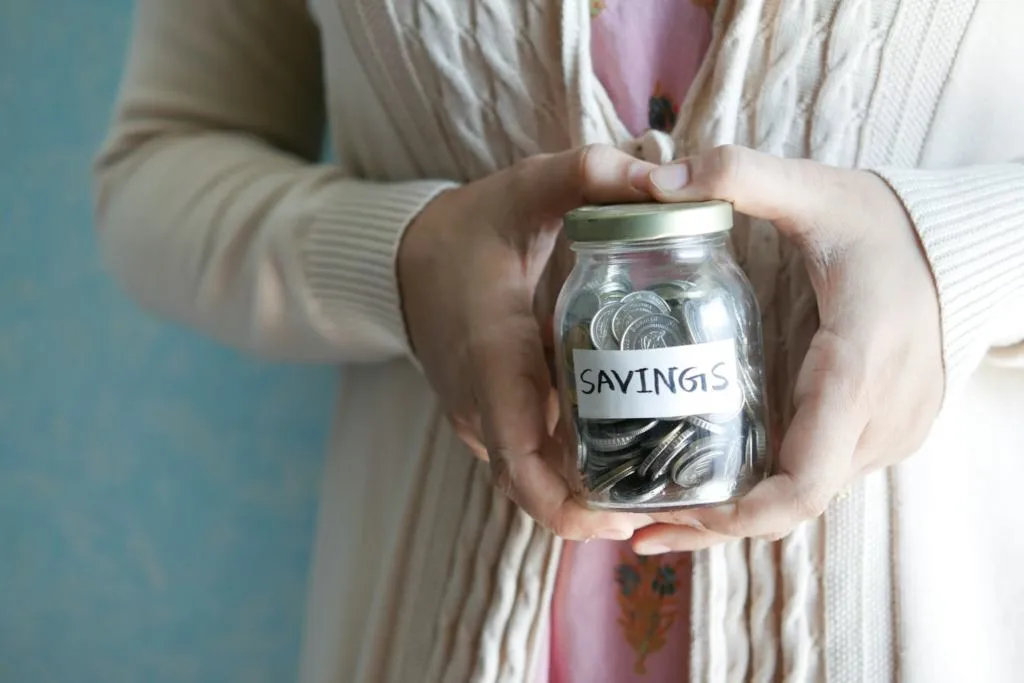
The whole idea of an emergency fund is that you only call upon it in an emergency. You stash money aside “just in case” – but what are some of the most common reasons you’ll need to dip into this fund? It turns out that emergencies can happen to anyone in any place, and here are the top reasons to start saving money:
Storm Damage
You’ve probably noticed the weather is getting increasingly more dangerous. It feels like there are more hurricanes and storms than ever before, and this heightens the possibility of the weather damaging your home. It will cost anywhere from just over $2,600 to just under $23,000 to repair a storm-damaged property.
This makes it one of the biggest emergency expenses out there, displaying just how important your emergency fund is. More to the point, storms are likely to happen – and all it takes is a gust of wind to take someone’s bins or garden furniture through your patio window.
Injuries & Accidents
Anyone can walk to work or drive to the shops and be involved in a costly accident. You might slip on a wet floor and knock yourself unconscious, or be T-boned by a reckless driver and break your leg.
It doesn’t matter how an injury or accident happens; what matters is that they are truly expensive. The only saving grace is that you can often pin the blame on someone else, which opens the door for a personal injury lawyer to swoop in and help you claim compensation. Regardless, you’ll still need your emergency fund to pay any initial legal bills or medical expenses before compensation rolls in.
Job Loss
You might be a model professional who excels at your job, but that won’t help you if your company has to make budget cuts or file for bankruptcy. It’s a sad fact, but 1.85 million people are laid off every month through no fault of their own.
Without a job, you don’t have a source of income, which impacts your ability to pay bills, buy food, and live your life until you find more work. This is the exact scenario where an emergency fund comes in clutch. Your many years of savings work as a buffer to keep paying bills and getting by while you look for a new job. It can stop you from missing payments and slipping into debt.
Broken Car (Or Appliances)
Guess what? Cars break down all the time, even if you’re not involved in an accident. When that happens, repairs can cost hundreds or thousands of dollars – which you may be unable to afford. Departing with that much money eats into your cash flow, and what if you need to replace the vehicle?
The same applies to expensive appliances – washing machines, fridges, etc. – and your emergency fund is perfect for times like this. It lets you pay for any repairs or replace damaged vehicles/appliances without causing pure financial trauma.
Hopefully, this blog drives home the importance of an emergency fund and will encourage you to either set one up or start storing more money in yours today!