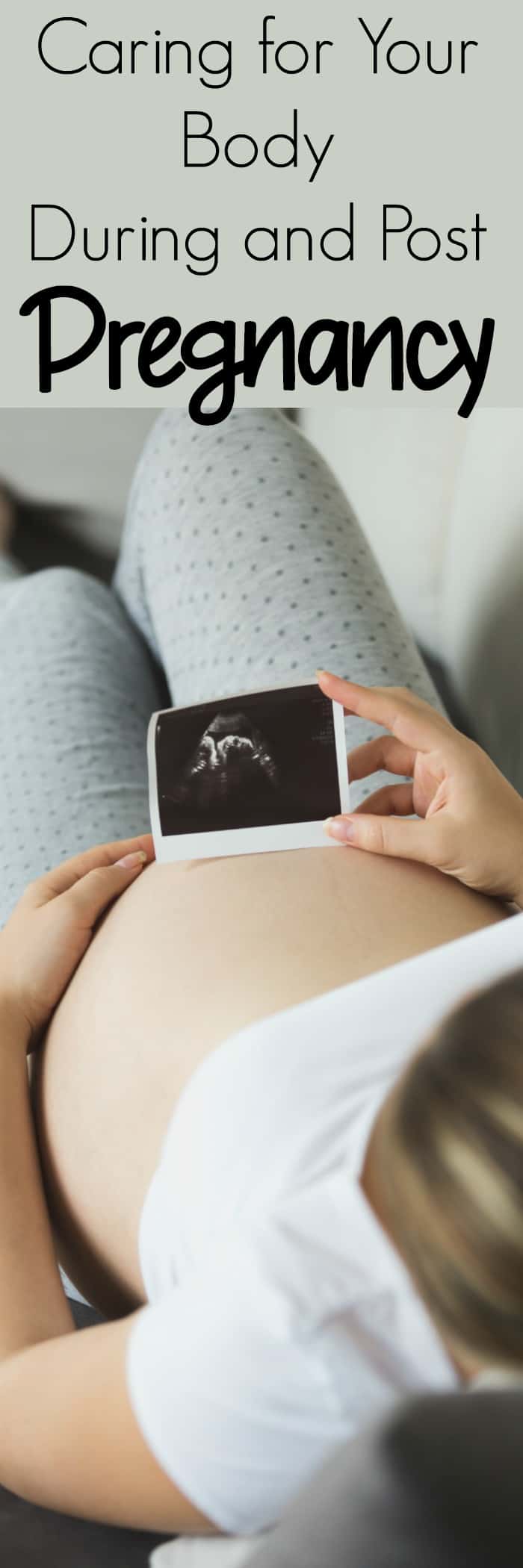
When you intend to become a parent, your body will no doubt experience a variety of changes as the baby grows and develops inside you. This can be exciting, but it also means that you have to learn how to live in a form that is entirely different to the one that you’re used to. You’ll be larger, heavier, less flexible, and may find it a little harder to maneuver yourself through day to day activities. You may also find yourself worrying about whether you will ever return to the way you looked before becoming pregnant. What’s most important to bear in mind is that caring for your body’s health and your baby’s wellbeing is key. Now, there are various things that you can do to ensure that you take the best care of yourself and your little one as possible, both during and following pregnancy. So, let’s take a look at just a few concerns and how to deal with them safely, productively, and effectively.
Care During Pregnancy
Maintaining Good Posture
Posture isn’t something that often crosses most of our minds. Good posture is ingrained, or we completely neglect it and stand, sit, and lie exactly as we please. However, during pregnancy, the balance of your body will be offset by your bump. Much more weight will be placed on your front, which will put more pressure on your back, so you need to learn good posture in order to minimize pulls, aches, and pains. When standing, keep your head up straight with your chin in and try to feel as though you are stretching your head towards the ceiling. Try to ensure that your earlobes are in line with the middle of your shoulders and keep your shoulder blades back with your chest forwards. Keep your knees straight without locking them, your buttocks tucked in, and avoid tilting your pelvis forward or back. It’s also important to remember that your posture is reliant on so much more than your upper body alone. You should also try to ensure that your weight is evenly balanced over both of your feet. This means avoiding leaning against walls or tucking one foot behind the other. A final note for standing: try to avoid standing in the same place or position for extended periods of time. You’ll soon become weary or experience aches! Now for sitting. When sitting while pregnant, your buttocks should touch the back of your chair and your back should be as straight as possible. Of course, this is easier if the chair has a good, straight back for support. You may also like to consider using a pregnancy pillow near the lumbar of your back for additional support if you please. Also, bear this advice in mind while driving. When people think of sitting, they think of sitting at a desk or table, or on their sofa at home. But we spend a fair amount of time driving where we’re sat down too! Ensure that your seat is positioned so that your knees are at the same level or higher than your hips. You should try to ensure that your bump is at least ten inches away from the wheel. As you reach the later stages of pregnancy, this might not be possible, and you should consider taking on a passenger role more often if possible. Finally, let’s take a look at sleeping posture. Of course, you should avoid sleeping on your stomach. But you should also try not to sleep flat on your back either, as this puts more stress on your heart, especially during the third trimester. Lie on either side and ensure that your head is supported by a pillow.
Dealing With Cramp
Many women experience a cramp in their legs during their pregnancy. They are likely to become more frequent at night during the second and third trimesters. Now, the exact cause of these cramps hasn’t yet been pinned down by medical professionals. However, there are ways to keep them at bay or ward them off sooner rather than later if they do strike. First, make sure to stretch your calf muscles regularly or at least before getting into bed. Just make sure to be careful while carrying these stretches. A simple technique is to stand about one arm’s length away from a wall in your room, placing your hands on the wall in front of you and moving your right foot behind your left foot. Slowly and gently lunge, bending your left knee, keeping your right leg straight and ensuring that your right heel stays touching the floor. Return to a standing position and carry the same sequence out for your other leg. Next, stay hydrated. Tonic water is said to be ideal. Finally, contact your health adviser and ask whether you might benefit from taking some form of magnesium supplement or incorporating higher levels of magnesium packed foods into your diet.
Post Pregnancy Care
Soothing Nipples
If you’re breastfeeding, you may experience sore or even cracked nipples. This is to be expected. Your body prepares itself to produce milk, and your baby might not be the most gentle when it comes to getting their feed. There is no solid evidence that using particular creams or soothing gels will help with this. Your best bet is to try to find a comfortable feeding position for both you and baby. If you’re feeding and feeling particularly uncomfortable with the way that your little one has latched on, break the suction by carefully putting your little finger between your nipple and the baby’s mouth. Try another angle that may be a little easier on you. While it is generally said that breast is best, it’s also important that you are aware that formula feeds have been developed to a high standard and many babies grow into strong and bustling toddlers on formula feed alone. So this is also an option that you can consider.
Tightening Skin
If you ask new moms their biggest body-based worry following giving birth, many will note that they are concerned that their loose skin will never return to its original state. Unfortunately, loose skin is pretty much an inevitable part of having a baby; your skin has to stretch significantly to accommodate the little one’s growth. However, The 6 Best Ways To Rejuvenate Loose Skin After Pregnancy include losing weight slowly, eating healthily, and applying skin tightening creams.
Ensuring that You’re Eating Properly
Taking care of a baby can be extremely time-consuming and stressful for first-time mothers and mothers who already have numerous children alike. It’s not surprising that many mothers begin to neglect their diet when trying to tend to the needs of their new arrival. But it’s absolutely essential that your body gets the necessary nutrients to function properly. Not only is it working hard to return to its usual form, but you need extra energy for the new workload that comes hand in hand with looking after a newborn. Generally speaking, the rules of a standard balanced diet come right back into play. Ensure that your plate is filled with grains, pulses, greens, calcium, and protein. Also, take the time to the ensure that you’re getting sufficient fluids too! This means eight glasses of water a day. So, make a timetable incorporating your three main meals a day plus snacks and try as hard as you can to stick to it.
As you can see, there are so many things to take into account when it comes to your body and maintaining its health during and post pregnancy. Remember that you need to take care of yourself in order to take proper care of your baby!

Leave a Reply